
Горячая линия:1388xx888xx
В современном мире бизнеса и логистики эффективность и надежность становятся ключевыми факторами успеха. Упаковочные машины играют незаменимую роль в этом процессе, предлагая автоматизацию, скорость и точность, которые трудно достичь вручную. Они не просто оборудование, а стратегические партнеры, помогающие компаниям снижать затраты, повышать производительность и обеспечивать высочайшее качество продукции. В этой статье мы глубоко погрузимся в мир упаковочных машин, рассмотрев их типы, преимущества, выбор, интеграцию в бизнес-процессы, экономические выгоды, будущие тенденции и реальные примеры применения. К концу чтения вы поймете, почему инвестиция в упаковочную машину – это шаг к устойчивому росту и конкурентоспособности.
Упаковочные машины – это устройства, предназначенные для автоматизации процесса упаковки товаров. Они используются в различных отраслях, от пищевой промышленности до электроники, и могут выполнять такие задачи, как обертывание, запайка, маркировка и паллетирование. История упаковочных машин началась с промышленной революции, когда ручной труд стал замещаться механизированными системами. Сегодня, с развитием технологий, эти машины стали умными и интегрированными, способными адаптироваться к меняющимся потребностям бизнеса.
Основная цель упаковочной машины – защитить продукт от повреждений, загрязнений и внешних воздействий во время транспортировки и хранения. Это не только сохраняет качество товара, но и усиливает его презентабельность, что важно для маркетинга и продаж. В логистике упаковочные машины ускоряют процессы, уменьшают ошибки и позволяют справляться с большими объемами заказов, особенно в эпоху e-commerce, где скорость доставки критична.
Преимущества использования упаковочных машин многообразны. Они включают в себя повышение производительности – одна машина может заменить несколько работников, выполняя задачи быстрее и с меньшим количеством ошибок. Это приводит к снижению затрат на труд и уменьшению производственных потерь. Кроме того, автоматизация улучшает безопасность, минимизируя риски травм на рабочем месте, связанные с ручной упаковкой.
Современные упаковочные машины оснащены датчиками, системами управления и возможностью интеграции с ERP-системами, что делает их частью цифровой экосистемы предприятия. Они могут собирать данные о производственных процессах, помогая в анализе и оптимизации. Например, машина может отслеживать расход материалов и предупреждать о необходимости пополнения запасов, что предотвращает простои.
В целом, упаковочные машины – это не просто инструменты, а инвестиции в будущее бизнеса. Они обеспечивают масштабируемость, позволяя компаниям расти без значительного увеличения затрат на персонал. В следующих разделах мы подробнее рассмотрим типы машин, их применение и как выбрать подходящую для ваших нужд.
Существует множество типов упаковочных машин, каждый из которых предназначен для конкретных задач и отраслей. Понимание этих типов поможет вам сделать informed decision при выборе оборудования.
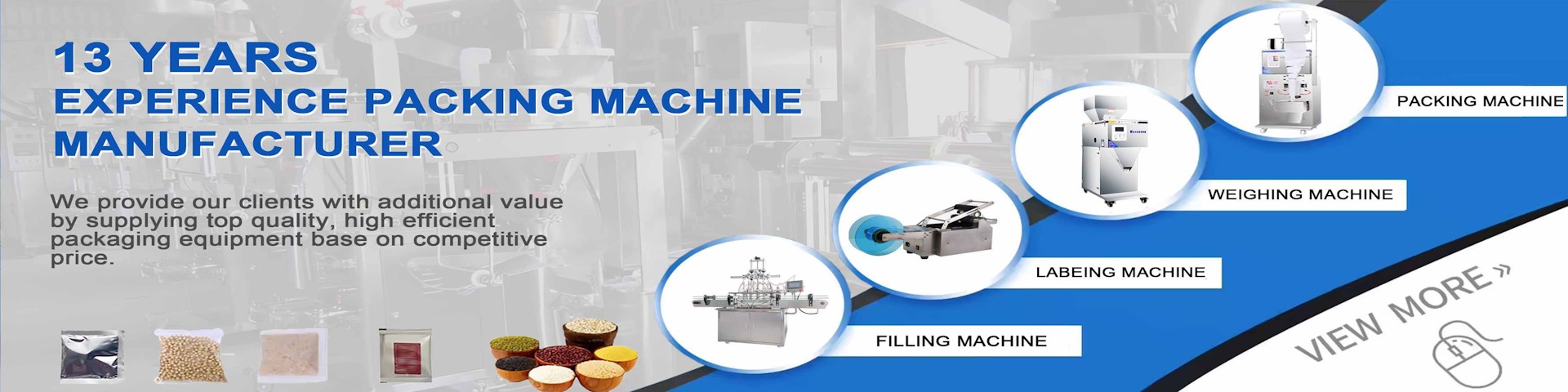
1. Автоматические упаковочные машины для пищевой промышленности: Эти машины часто используются для упаковки продуктов питания, таких как хлеб, мясо, молочные продукты и кондитерские изделия. Они обеспечивают герметичность и защиту от влаги, что продлевает срок годности. Примеры включают вакуумные упаковщики и машины для flow-pack упаковки.
2. Машины для упаковки в коробки и паллетирования: Идеальны для логистики и дистрибуции, эти машины автоматически формируют коробки, заполняют их товарами и укладывают на паллеты. Они значительно ускоряют процесс отгрузки, особенно в крупных складах и distribution centers.
3. Оберточные и стретч-пленочные машины: Эти устройства используются для обертывания продуктов или паллет стретч-пленкой, обеспечивая стабильность во время транспортировки. Они популярны в retail и manufacturing секторах, где важно предотвратить смещение грузов.
4. Маркировочные и этикетировочные машины: Они наносят штрих-коды, labels и другую информацию на упаковку, что необходимо для отслеживания и compliance с regulations. В логистике это помогает в inventory management и снижает ошибки при picking и shipping.
5. Универсальные и модульные системы: Некоторые машины предлагают гибкость, позволяя адаптироваться к разным продуктам и упаковочным материалам. Это особенно полезно для компаний с разнообразным ассортиментом.
Применение упаковочных машин варьируется в зависимости от отрасли. В e-commerce, например, они используются для быстрой упаковки индивидуальных заказов, что критично для удовлетворения клиентов. В pharmaceutical industry машины должны соответствовать строгим стандартам гигиены и traceability.
Выбор правильного типа зависит от ваших specific needs: объема производства, типа продукта, бюджета и доступного пространства. Консультация с экспертами может помочь определить наилучшее решение.
Инвестиции в упаковочные машины приносят множество benefits, которые directly impact bottom line. Вот ключевые преимущества:
Повышение производительности и эффективности: Автоматизация упаковки позволяет обрабатывать больше единиц продукции в час compared to manual labor. Это сокращает cycle time и увеличивает output, что важно для meeting demand в peak seasons.
Снижение затрат: Хотя initial investment может быть significant, упаковочные машины reduce labor costs, minimize material waste, and decrease error-related expenses. Например, автоматическая calibration ensures consistent package sizes, avoiding overuse of materials.
Улучшение качества и consistency: Машины обеспечивают uniform packaging, which enhances product appearance and reliability. This is crucial for brand reputation, as customers associate neat packaging with high quality.
Enhanced safety: By reducing manual handling, these machines lower the risk of workplace injuries, such as strains or cuts from sharp materials. This contributes to a safer work environment and can reduce insurance costs.
Scalability: Упаковочные машины can be scaled up or down based on business growth. Modular systems allow for easy expansion without major disruptions, supporting long-term strategic planning.
Data integration and analytics: Modern machines connect to IoT platforms, providing valuable insights into production metrics. This data can be used for predictive maintenance, optimizing schedules, and improving overall operational efficiency.
В совокупности эти преимущества делают упаковочные машины indispensable for businesses aiming to stay competitive in a fast-paced market.
Выбор упаковочной машины – critical decision that requires careful consideration of several factors. Here’s a step-by-step guide to help you navigate the process.
1. Assess your needs: Start by evaluating your production volume, product types, and packaging requirements. Consider factors like speed, accuracy, and the types of materials you use (e.g., plastic, cardboard, film).
2. Budget planning: Determine your budget for both purchase and ongoing maintenance. Remember to account for potential ROI through cost savings and increased efficiency.
3. Research different models: Look into various manufacturers and models. Read reviews, compare specifications, and consider certifications (e.g., ISO standards) to ensure reliability.
4. Consider scalability and flexibility: Choose a machine that can grow with your business. Modular or adjustable systems are ideal if you anticipate changes in product lines or volumes.
5. Evaluate integration capabilities: Ensure the machine can integrate with your existing systems, such as ERP or WMS, for seamless data flow and process automation.
6. Test before buying: If possible, arrange a demo or trial period to see the machine in action. This helps verify its performance and suitability for your specific environment.
7. Factor in maintenance and support: Opt for machines from reputable suppliers who offer reliable customer service, spare parts availability, and training for your staff.
By following these steps, you can select a machine that not only meets your current needs but also supports future growth, making it a true partner in your business journey.
Упаковочные машины are not standalone units; they play a vital role in the broader logistics chain. Integration involves connecting them with other systems to create a cohesive and efficient operation.
In warehouses and distribution centers, packaging machines are often linked to conveyor systems, automated storage and retrieval systems (AS/RS), and order management software. This allows for a continuous flow of goods from production to shipping, minimizing handling times and reducing the risk of errors.
For example, when an order is received, the system can automatically trigger the packaging process, select the appropriate box size, and print shipping labels. This level of automation is essential for e-commerce businesses dealing with high order volumes and tight deadlines.
Data integration is another key aspect. Packaging machines can feed real-time data into ERP systems, providing insights into production rates, material usage, and potential bottlenecks. This information can be used for predictive analytics, helping to optimize inventory levels and reduce waste.
Moreover, integration with quality control systems ensures that only properly packaged products proceed to shipping. Vision systems or sensors can detect defects, such as incomplete seals or misaligned labels, and automatically reject faulty items.
Successful integration requires collaboration between IT, operations, and logistics teams. It may involve custom software development or the use of standard interfaces like APIs. The goal is to create a seamless ecosystem where packaging is just one part of a larger, automated process.
By integrating packaging machines into your logistics chain, you can achieve greater efficiency, accuracy, and responsiveness to market demands, ultimately enhancing customer satisfaction and reducing operational costs.
Investing in packaging machines offers significant economic benefits that contribute to a strong return on investment (ROI). Let’s break down the financial aspects.
First, consider the reduction in labor costs. A single automated machine can replace multiple workers, leading to savings on salaries, benefits, and training. For instance, in a high-volume facility, this can amount to thousands of dollars per year.
Second, material savings are achieved through precise measurement and reduced waste. Automated systems optimize the use of packaging materials, avoiding over-packaging and minimizing scrap. This not only cuts costs but also supports sustainability efforts.
Third, increased productivity means higher output without proportional increases in expenses. This can lead to greater revenue generation, especially if you can fulfill more orders or enter new markets thanks to improved efficiency.
Fourth, reduced error rates lower costs associated with returns, rework, and customer complaints. For example, in food packaging, proper sealing prevents spoilage, reducing loss and enhancing brand trust.
To calculate ROI, compare the initial investment (purchase price, installation, training) with the annual savings and additional revenue. A typical payback period for packaging machines ranges from 1 to 3 years, depending on usage and scale.
Long-term benefits include improved competitiveness and the ability to scale operations efficiently. As technology advances, newer machines may offer even greater efficiencies, making early investment a smart strategic move.
In summary, the economic advantages of packaging machines make them a worthwhile investment for businesses looking to optimize costs and drive growth.
The future of packaging machines is shaped by technological advancements and evolving market demands. Key trends to watch include:
Artificial Intelligence (AI) and Machine Learning: AI-powered machines can adapt to changing conditions, predict maintenance needs, and optimize packaging processes in real-time. For example, they can adjust sealing parameters based on environmental factors like humidity.
Sustainability: There is a growing emphasis on eco-friendly packaging. Machines are being designed to handle biodegradable materials and reduce energy consumption. Innovations like reusable packaging systems are also gaining traction.
Internet of Things (IoT): IoT connectivity allows for remote monitoring and control of packaging machines. This enables predictive maintenance, reduces downtime, and provides valuable data for continuous improvement.
Collaborative robots (cobots): Cobots are being integrated into packaging lines to work alongside humans, enhancing flexibility and safety. They can handle repetitive tasks, freeing up workers for more complex activities.
Customization and personalization: As consumer demand for personalized products increases, packaging machines are evolving to handle small batches and variable data printing easily.
These trends indicate that packaging machines will become even more intelligent, efficient, and aligned with global sustainability goals. Businesses that adopt these technologies early will gain a competitive edge.
Real-world examples illustrate the impact of packaging machines. Consider a mid-sized e-commerce company that implemented automated packaging systems. By doing so, they reduced packaging time by 50%, cut labor costs by 30%, and decreased shipping errors by 20%. This led to higher customer satisfaction and increased sales.
Another case is a food manufacturer that invested in vacuum packaging machines. This extended the shelf life of their products, reduced waste by 15%, and allowed them to expand into new geographic markets due to improved logistics.
In logistics, a distribution center integrated pallet wrapping machines with their WMS. This streamlined their loading processes, reduced damage during transit by 25%, and improved overall efficiency by enabling faster turnaround times.
These examples show that regardless of industry, packaging machines deliver tangible benefits that enhance operational performance and profitability.
В заключение, упаковочная машина – это much more than a piece of equipment; it is a strategic partner that drives business success. By automating packaging processes, companies can achieve higher efficiency, reduce costs, improve quality, and enhance their logistics capabilities.
The key to maximizing these benefits lies in careful selection, proper integration, and ongoing maintenance. As technology continues to evolve, staying updated with the latest trends will ensure that your packaging operations remain competitive and sustainable.
Invest in a packaging machine today, and you'll be investing in a reliable partner that supports your growth and helps you navigate the challenges of modern business and logistics. Embrace automation, and watch your business thrive.
Thank you for reading this comprehensive guide. If you have any questions or need assistance in choosing the right packaging machine, feel free to reach out to experts in the field. Together, we can build a more efficient and profitable future.